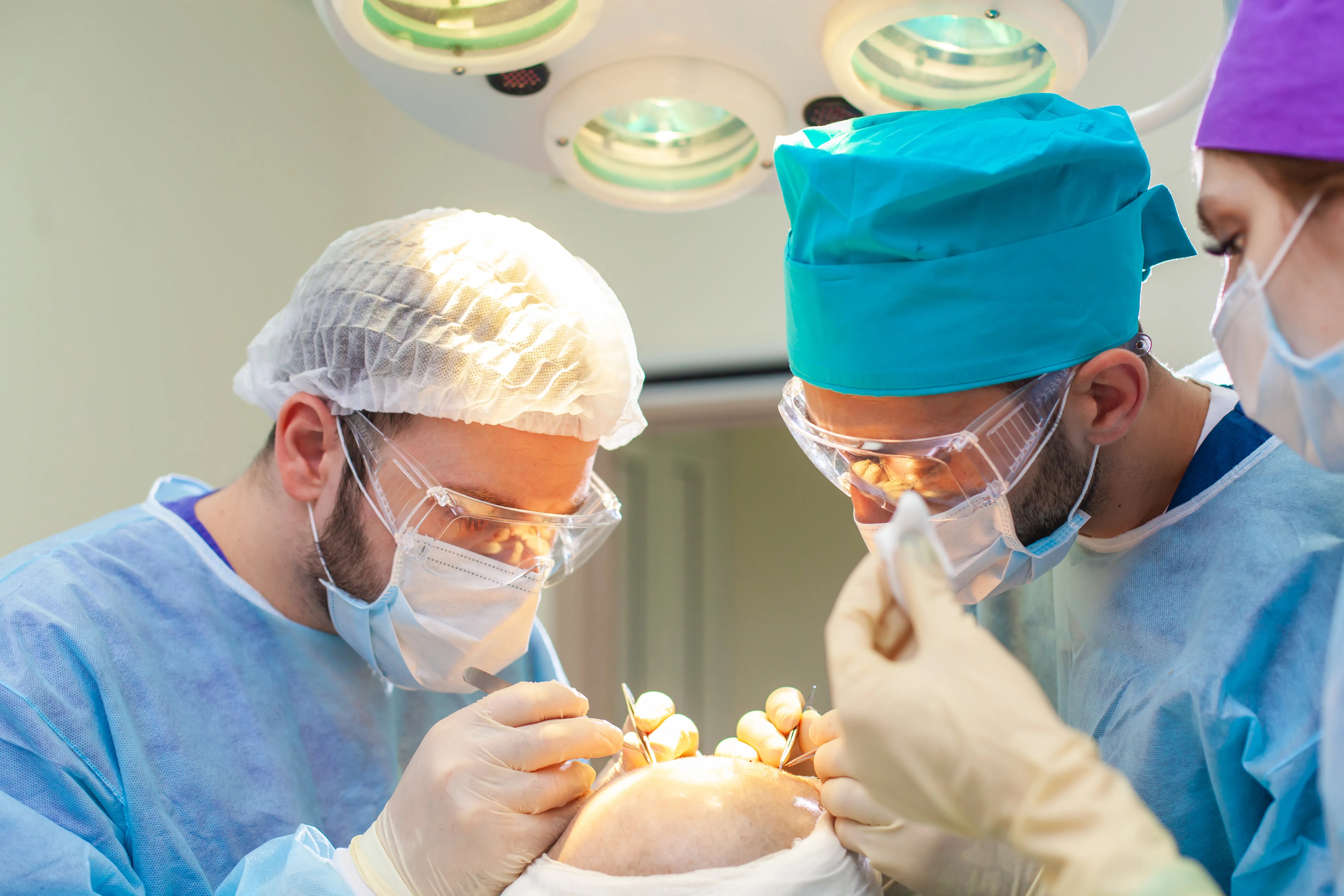
How does the hair transplant process in Turkey work? Discover a detailed guide about hair transplant in Istanbul, recovery, clinic selection, and the premium patient experience.
Learn More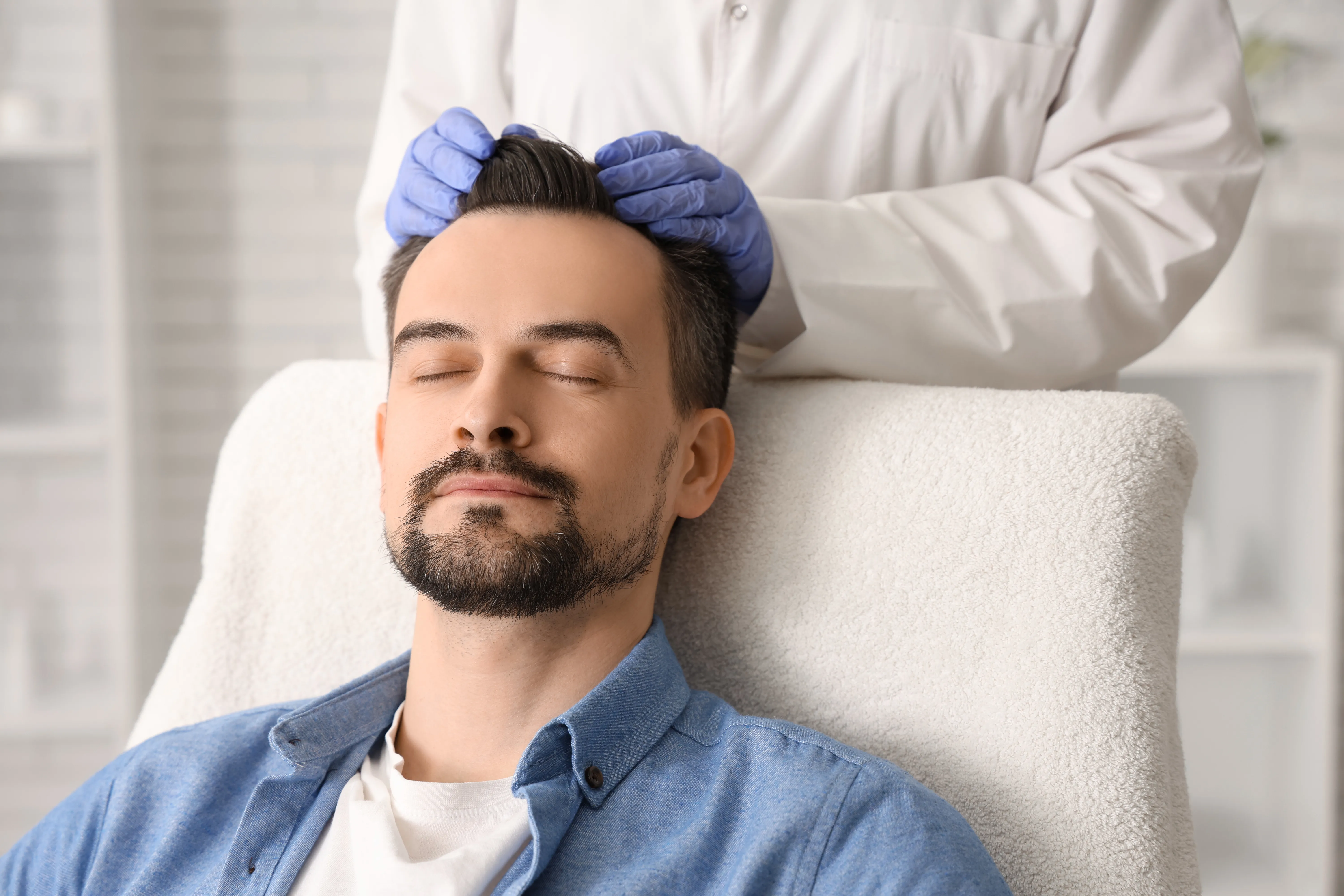
For many people considering a hair transplant, the recovery process is just as important as the procedure itself. Questions such as “What happens after a hair transplant?”, “When does transplanted hair start growing?”, or “Is shock loss normal?” are among the most frequently researched topics before the operation.
Although modern hair transplant techniques provide a much more comfortable experience today, hair restoration still requires a natural healing process consisting of several stages. From the first days after the procedure to the period when new hair begins to grow, the recovery timeline may vary from person to person. However, the overall progression generally follows similar stages for most patients.
In this guide, we will take a detailed look at what to expect during the first 12 months after a hair transplant, how the healing process progresses, and when a natural appearance begins to develop.
The first few days after a hair transplant are considered one of the most sensitive stages of the recovery process. During this period, the scalp begins adapting to the procedure, and protecting the transplanted grafts becomes extremely important.
In the first days, mild redness, sensitivity, or swelling may occur on the scalp. These effects are generally temporary and may vary depending on individual skin characteristics. Since patient comfort is prioritized in modern hair transplant techniques, many people report that the recovery process is more comfortable than they initially expected.
Especially during the first 72 hours, protecting the transplanted area is crucial for the success of the procedure. Following the post-operative care instructions provided by the doctor can help support a healthier healing process.
The first hair wash after a hair transplant is considered one of the most important stages of post-operative care. It is usually scheduled by the specialist team within the first days following the procedure.
The goal during this process is to cleanse the scalp, soften the formed scabs in a controlled way, and help protect the transplanted grafts. The first wash also serves as an important guide for the patient’s at-home care routine.
Avoiding harsh contact with the scalp and using the recommended products are especially important during the first days. Careful maintenance is essential to help the transplanted grafts settle properly.
Scabbing after a hair transplant is one of the natural healing stages many patients experience for the first time. Temporary scabs may appear on the scalp as the microchannels created during the procedure begin to heal.
This process usually starts within the first days and gradually decreases over time. The amount of scabbing may vary depending on the individual’s skin type, surgical planning, and aftercare routine.
Thanks to the precision of modern hair transplant techniques, the recovery process can feel more comfortable for some patients. However, following post-operative care instructions remains very important for managing the healing process properly.
Shock loss is one of the most commonly researched topics after a hair transplant. Many patients may feel concerned when they notice temporary shedding of the transplanted hairs after the procedure. However, this phase is generally considered a natural part of the hair transplant cycle.
During the shock loss phase, the transplanted hair shafts may temporarily fall out. This happens because the hair follicles are adapting to their new location. While the visible hair sheds, the hair roots remain alive beneath the skin.
Although the timing varies from person to person, shock loss is generally observed during the first months after the procedure. Once this phase is completed, the hair growth process gradually begins.
The first signs of new hair growth after a hair transplant are generally observed within the months following the procedure. However, hair growth progresses through a natural cycle that requires patience.
Initially, the newly growing hairs may appear thin and weak. Over time, the hair strands can become thicker and begin creating a denser appearance.
Many patients start noticing the first visible changes around the third and fourth months. However, since every individual’s hair growth speed is different, the process may vary based on personal factors.
The sixth month is generally considered one of the stages where more noticeable changes begin to appear after a hair transplant. During this period, hair density may start increasing, and the hairline can become more visible.
For many patients, this stage represents one of the most motivating phases of the recovery journey. However, since hair development is still ongoing, additional time may be needed for the final results to fully appear.
The thickening of hair strands and the improvement in natural density often become more apparent in the following months.
Achieving the final results of a hair transplant is generally a long-term process. For many patients, the final appearance becomes much clearer approximately 12 months after the procedure.
For some individuals, this timeline may progress earlier or later depending on hair structure and growth speed. The maturation of the hair strands and the formation of natural density develop gradually over time.
The goal of modern hair transplant approaches is not only hair growth but also achieving long-term aesthetic results that preserve a natural appearance.
A natural-looking hair transplant result generally becomes more noticeable as the hair grows longer and density increases. Factors such as hairline design, hair direction planning, and graft density play a critical role in achieving natural results.
While the procedure may feel more visible during the first months, the growing hair gradually creates softer and more natural transitions over time.
The goal of a successful hair transplant is to achieve a result that looks natural and harmonizes with the patient’s facial anatomy without making the procedure obvious.
Protecting the scalp and following aftercare recommendations are extremely important during the recovery period. Especially in the first days, movements that may create trauma to the scalp should be avoided.
In addition:
may help support a healthier healing process.
Since every patient’s recovery journey is different, it is important to follow personalized recommendations.
Although the recovery process after a hair transplant includes many common stages, every individual’s hair structure, skin type, graft planning, and hair growth speed are different. Therefore, the post-operative process should always be evaluated individually.
At Adem Demiral Hair Clinic, the patient journey is not limited to the operation day alone. The recovery process, hair growth progress, and natural appearance goals continue to be monitored after the procedure.
You can contact Adem Demiral Hair Clinic for detailed information about the post-hair transplant process, recovery stages, and personalized hair restoration planning.
Yes, shock loss is one of the common and natural processes experienced after a hair transplant.
The first signs of hair growth are generally observed within the months following the procedure.
For many patients, hair transplant results become much clearer within approximately 12 months.
The scabbing process may vary depending on individual healing speed and is generally observed during the first days.
As the hair grows longer and density increases, the natural appearance gradually becomes more noticeable over time.
How does the hair transplant process in Turkey work? Discover a detailed guide about hair transplant in Istanbul, recovery, clinic selection, and the premium patient experience.
Learn More
Discover the differences between DHI and Sapphire FUE hair transplantation. A detailed comparison in terms of density, natural appearance, recovery process, and unshaven hair transplantation.
Learn More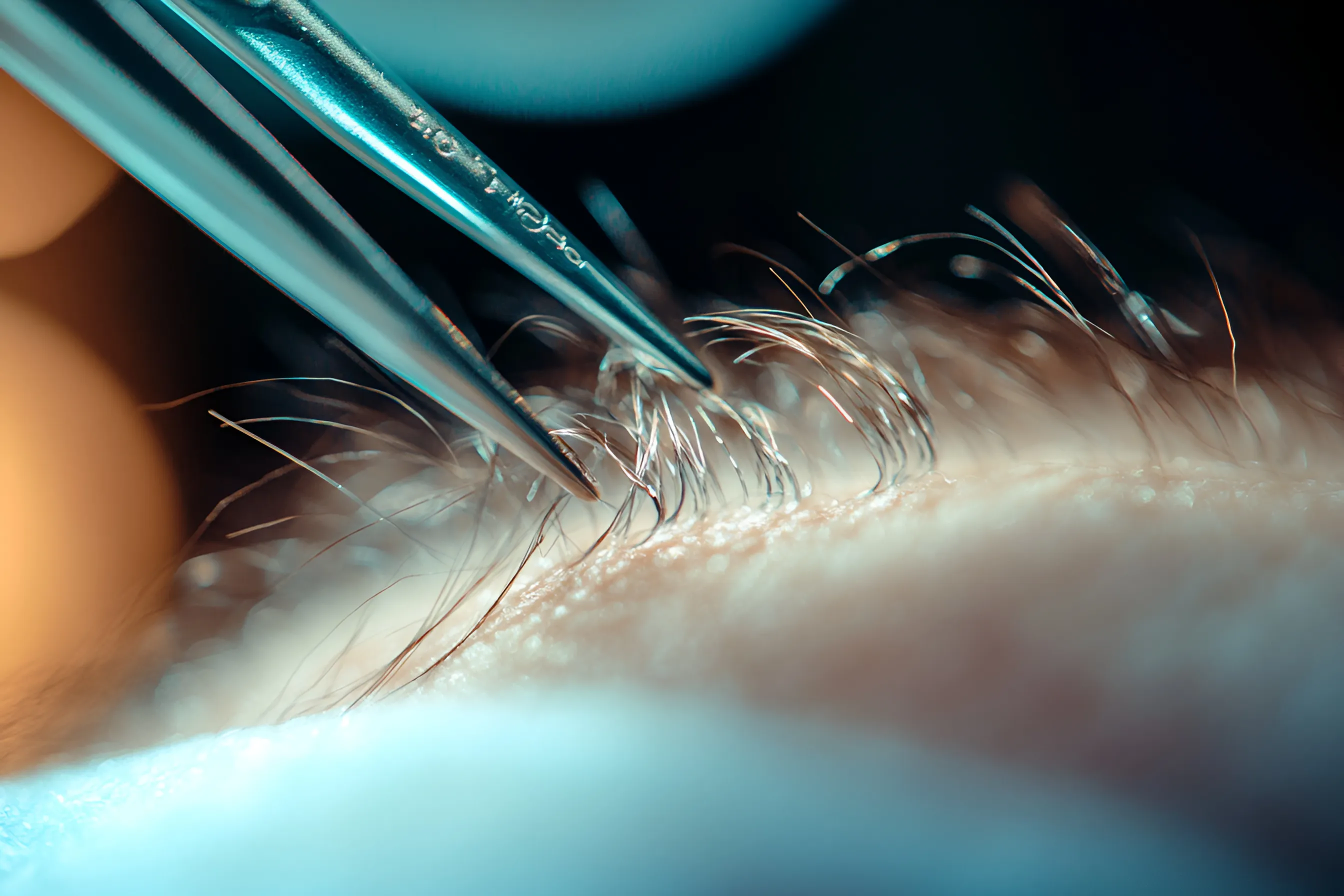
Hair loss can be a challenging experience for many people, both physically and psychologically. Today, while various hair restoration methods are available, the FUE (Follicular Unit Extraction) technique stands out as one of the most widely preferred approaches.
Learn More
Hair loss can become both a physical and psychological concern for many people. Today, hair transplantation stands out as one of the most effective solutions for addressing this issue.
Learn More
Hair loss can become both a physical and psychological challenge for many people. Today, hair transplantation stands out as one of the most effective solutions to this problem.
Learn MoreFill out the form for hair analysis, appointments, and consultation requests, or contact us directly.