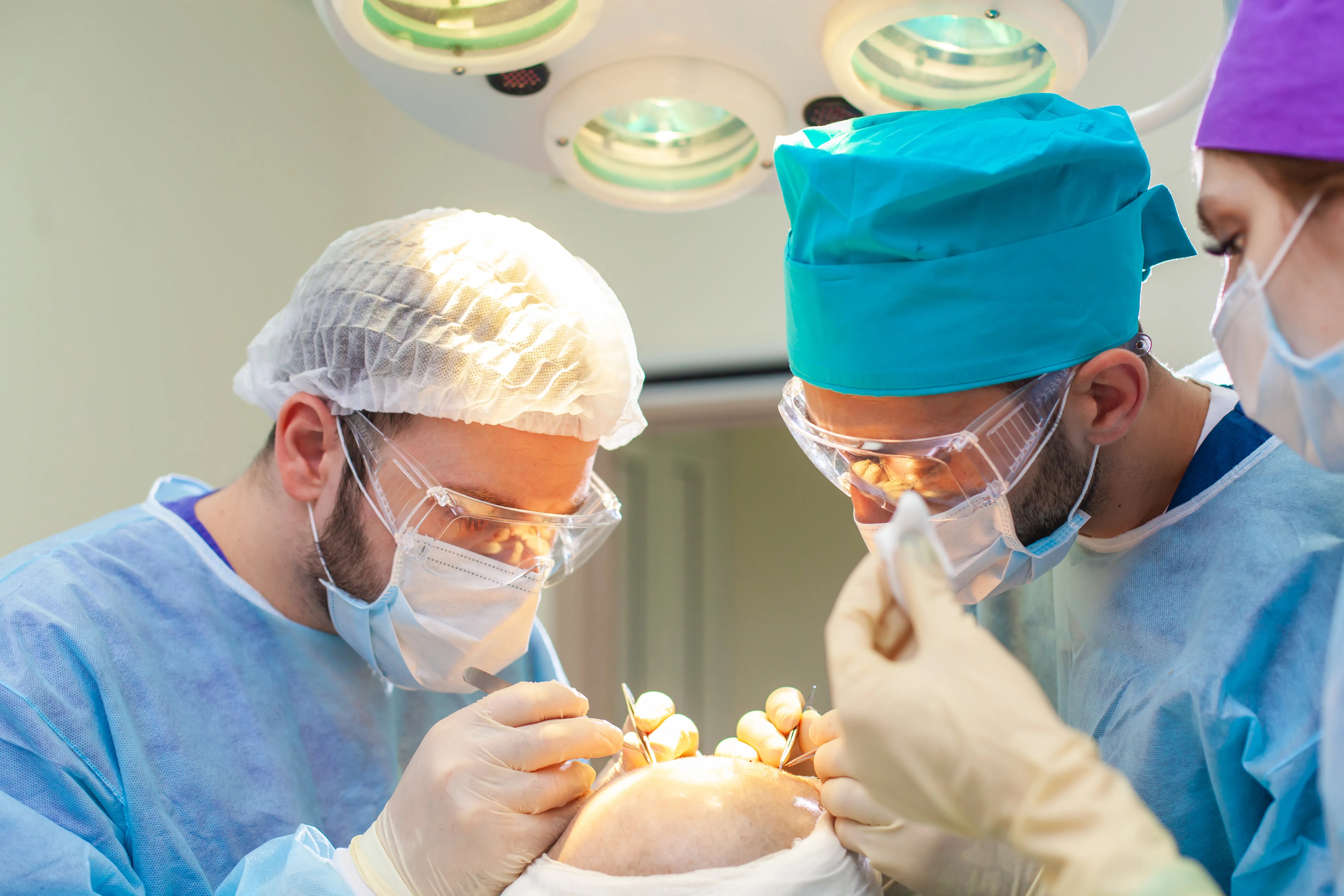
How does the hair transplant process in Turkey work? Discover a detailed guide about hair transplant in Istanbul, recovery, clinic selection, and the premium patient experience.
Learn More
One of the first questions many people encounter during their hair transplant research process is usually: “Is DHI better, or Sapphire FUE?” Although different techniques have become more prominent with the development of modern hair transplantation technologies, a successful hair transplant is not limited only to the method used. Natural hairline planning, graft management, facial anatomy-compatible design, and a long-term aesthetic approach are also among the factors that directly affect the outcome of the procedure.
Today, DHI and Sapphire FUE techniques are among the most preferred methods in modern hair transplant planning focused on achieving a natural appearance. While both techniques offer advanced hair restoration approaches, they differ in terms of application method, implantation system, density planning, and recovery process.
In this guide, we will examine the key differences between DHI and Sapphire FUE techniques, which patients they may be more suitable for, and how they are evaluated in terms of achieving a natural appearance.
DHI (Direct Hair Implantation) is one of the advanced hair transplantation techniques in which hair grafts are directly implanted into the target area using special implantation pens. In this method, hair follicles are placed in a controlled manner through specialized medical pens, allowing the implantation process to be planned more precisely.
One of the most notable features of the DHI technique is that the channel opening and graft implantation stages can progress within the same process. This approach may provide advantages especially in terms of hair direction planning, preserving existing hair, and creating natural transitions.
In modern hair restoration approaches, the DHI technique is frequently considered for frontal hairline procedures, localized density enhancement treatments, and unshaven hair transplantation planning. It has also become one of the prominent methods in female hair transplantation processes due to its approach that may help preserve existing hair.
Sapphire FUE is considered one of the advanced versions of the classic FUE method. In this technique, special sapphire-tipped blade systems are used during the channel-opening stage. Thanks to sapphire-tip technology, more precise microchannels can be created, and placing hair grafts according to the natural growth direction of the hair can be planned more accurately.
The Sapphire FUE technique is especially preferred in procedures requiring intensive graft planning. In patients with larger bald areas, maintaining natural hairline transitions while targeting a dense appearance is highly important. The precision provided by sapphire tips may contribute to more controlled planning of these procedures.
Today, the Sapphire FUE method is valued not only for dense implantation but also for aesthetic hairline design and natural density planning in modern hair transplantation approaches.
The main difference between DHI and Sapphire FUE lies in the implantation approach. In the DHI method, hair grafts are implanted directly using specialized pens, whereas in the Sapphire FUE technique, microchannels are first created and then the grafts are implanted into these areas.
This difference may also affect operation planning. While the DHI technique offers a more controlled implantation approach, Sapphire FUE may provide advantages for intensive graft planning in larger areas.
However, both techniques are among the modern hair transplantation methods aimed at achieving a natural appearance. The important point is correctly analyzing which technique is more suitable for which patient.
Natural appearance in hair transplantation cannot be explained solely by the technique used. Aesthetic planning is at the core of successful results.
Among the most important factors affecting natural hair transplant outcomes are hairline design, hair growth direction, density balance, and planning compatible with facial anatomy. Therefore, both DHI and Sapphire FUE techniques can produce highly natural results when applied with the right approach.
Especially hairline planning is critically important for achieving a natural appearance. Designing the hairline according to the patient’s age, facial structure, and facial expression anatomy may help prevent an artificial appearance after the procedure.
In modern hair transplantation approaches, artistic planning is considered just as important as the technique itself in achieving successful outcomes.
Unshaven hair transplantation is among the most frequently researched topics today, especially by individuals with active social lives. For patients who want to minimize post-operative visibility, the DHI technique has become one of the most commonly preferred methods.
Since the DHI implantation system may offer more precise working capability that can help preserve existing hair, it may provide advantages in female hair transplantation and localized density enhancement procedures.
With the Sapphire FUE method, larger-area procedures may be performed depending on the operation planning, and in some cases, more shaving may be required. However, the approach to be used should be determined entirely according to the patient’s hair structure and procedural goals.
The recovery process in DHI and Sapphire FUE techniques may vary depending on personal factors. Scalp sensitivity, the number of implanted grafts, skin structure, and operation planning are among the main factors affecting this process.
In some patients, the DHI method may contribute to less visible post-operative appearance, while the Sapphire FUE technique may offer an effective approach for planning larger areas.
However, post-operative care is highly important in both methods. Proper aftercare planning may contribute to a healthier recovery process.
The DHI technique generally stands out for individuals considering unshaven hair transplantation, female patients, people wishing to preserve existing hair during the procedure, and localized density enhancement planning.
Sapphire FUE, on the other hand, is frequently preferred for patients with larger bald areas, individuals requiring a high number of grafts, and extensive hair transplant planning.
Nevertheless, there is no single “best method” approach in modern hair transplantation. The correct technique depends on the patient’s hair structure, donor capacity, level of hair loss, and natural appearance goals.
For this reason, personalized analysis before the operation is highly important.
Successful hair transplantation results are not based solely on technology. Proper graft management, natural hairline design, aesthetic density planning, and a long-term appearance approach are among the elements that directly affect the quality of the procedure.
At Adem Demiral Hair Clinic, every hair transplant plan is created by considering the patient’s hair structure, facial anatomy, and aesthetic expectations. The goal is not only to perform a hair transplant but also to plan aesthetic results that maintain a natural appearance in the long term.
Türkiye has become one of the world’s leading destinations in hair transplantation thanks to its modern hair transplant technologies and international patient experience.
Especially natural appearance-focused planning, advanced technical applications, experienced medical teams, and organized medical tourism processes play an important role in why international patients prefer Türkiye.
Istanbul, in particular, stands out as one of the preferred destinations for patients from around the world with its premium hair transplant clinics and modern hair restoration approach.
To receive detailed information about DHI and Sapphire FUE techniques, learn the most suitable method for your hair structure, and create a personalized hair transplantation plan, you can contact Adem Demiral Hair Clinic.
Both techniques offer different advantages. The most suitable method should be determined according to the patient’s hair structure, graft requirements, and operation goals.
In suitable candidates, unshaven hair transplantation can be planned with the DHI technique.
Sapphire FUE is frequently preferred especially for extensive hair transplantation procedures requiring intensive graft planning.
Natural appearance is more related to hairline design, hair direction planning, and aesthetic approach than the technique itself.
The recovery process may vary depending on personal factors. Post-operative care is important in both methods.
How does the hair transplant process in Turkey work? Discover a detailed guide about hair transplant in Istanbul, recovery, clinic selection, and the premium patient experience.
Learn More
How does the recovery process after a hair transplant progress? Discover the first wash, shock loss, hair growth timeline, and the 12-month transformation in detail.
Learn More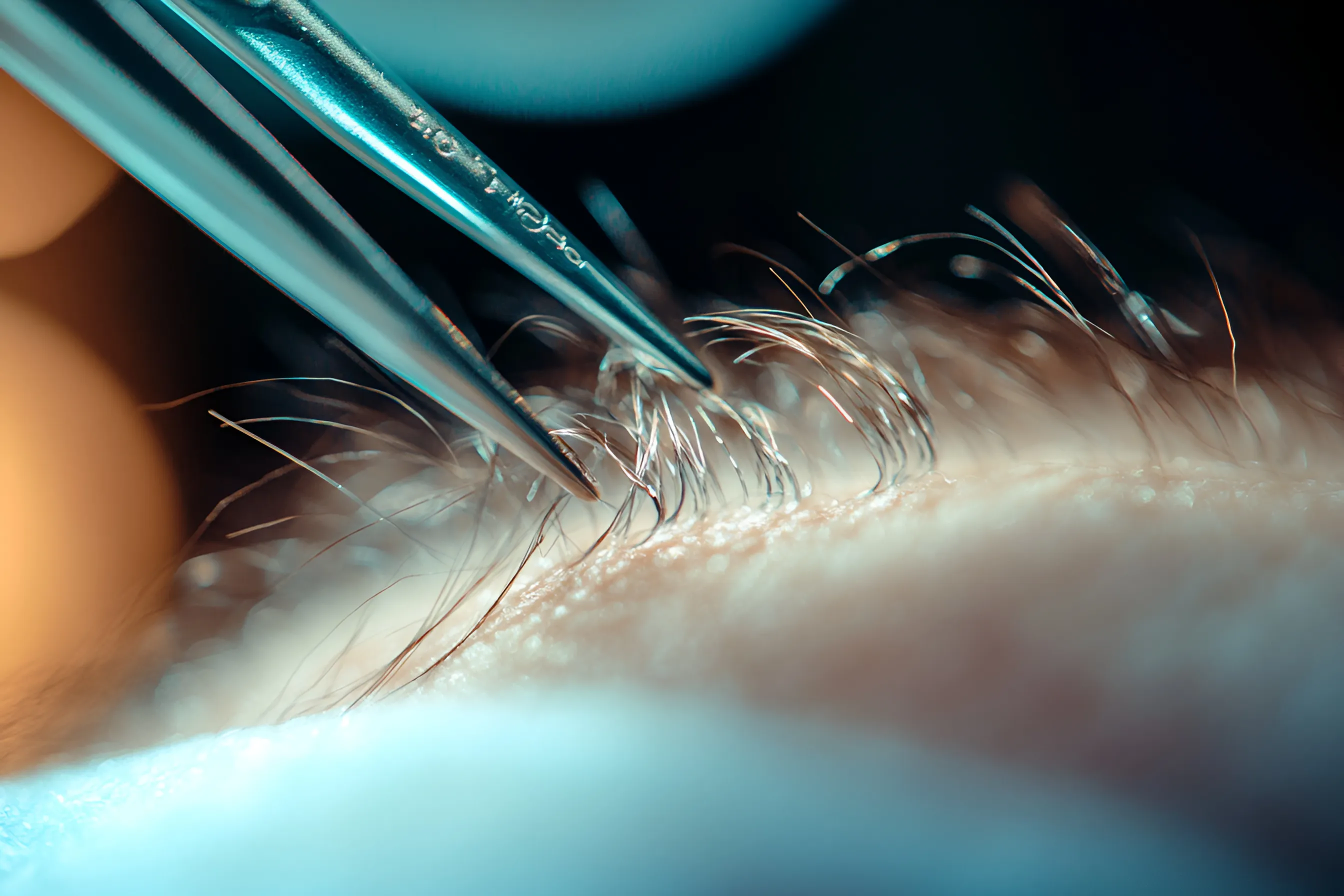
Hair loss can be a challenging experience for many people, both physically and psychologically. Today, while various hair restoration methods are available, the FUE (Follicular Unit Extraction) technique stands out as one of the most widely preferred approaches.
Learn More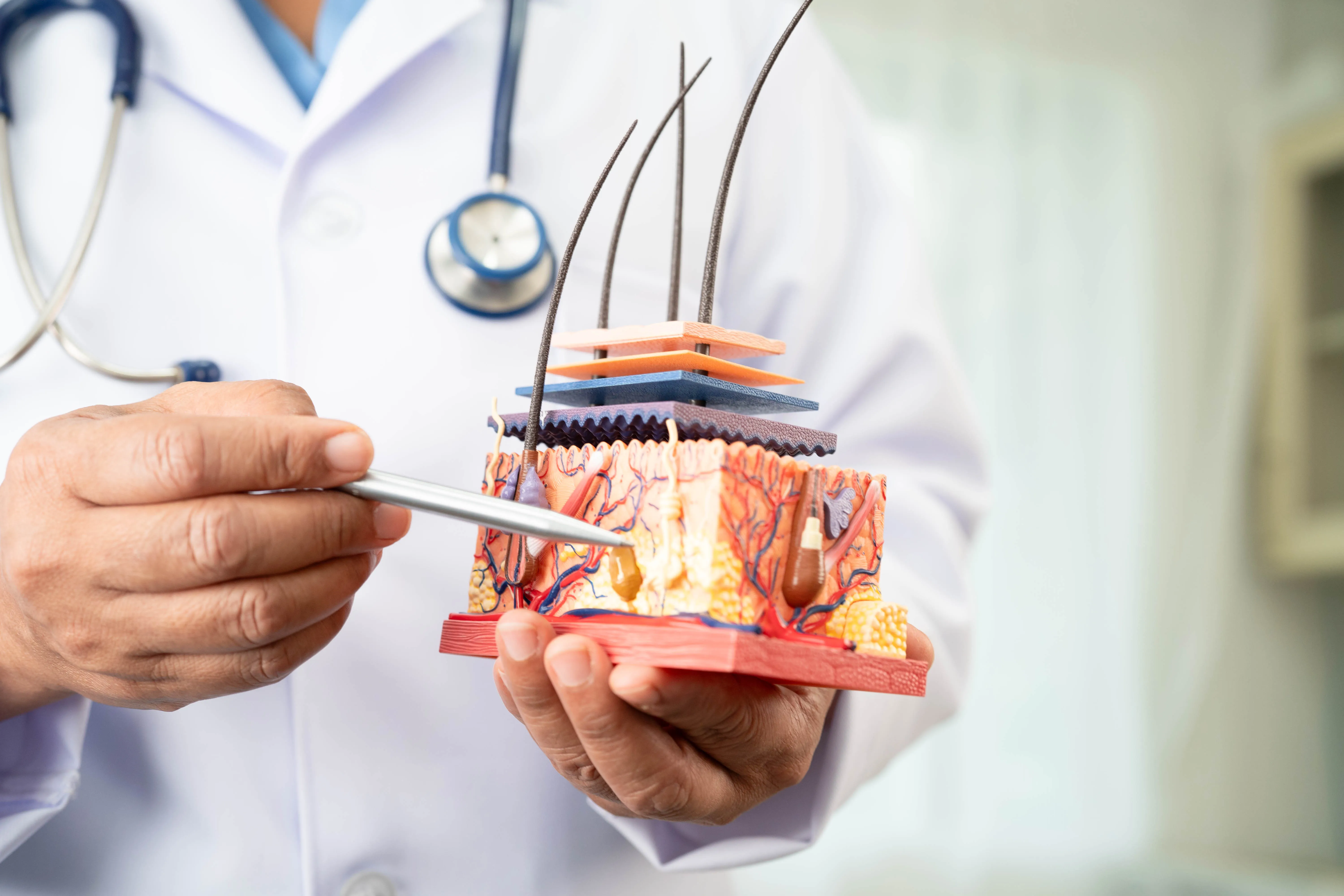
Hair loss can become both a physical and psychological concern for many people. Today, hair transplantation stands out as one of the most effective solutions for addressing this issue.
Learn More
Hair loss can become both a physical and psychological challenge for many people. Today, hair transplantation stands out as one of the most effective solutions to this problem.
Learn MoreFill out the form for hair analysis, appointments, and consultation requests, or contact us directly.