How does the hair transplant process in Turkey work? Discover a detailed guide about hair transplant in Istanbul, recovery, clinic selection, and the premium patient experience.
Learn More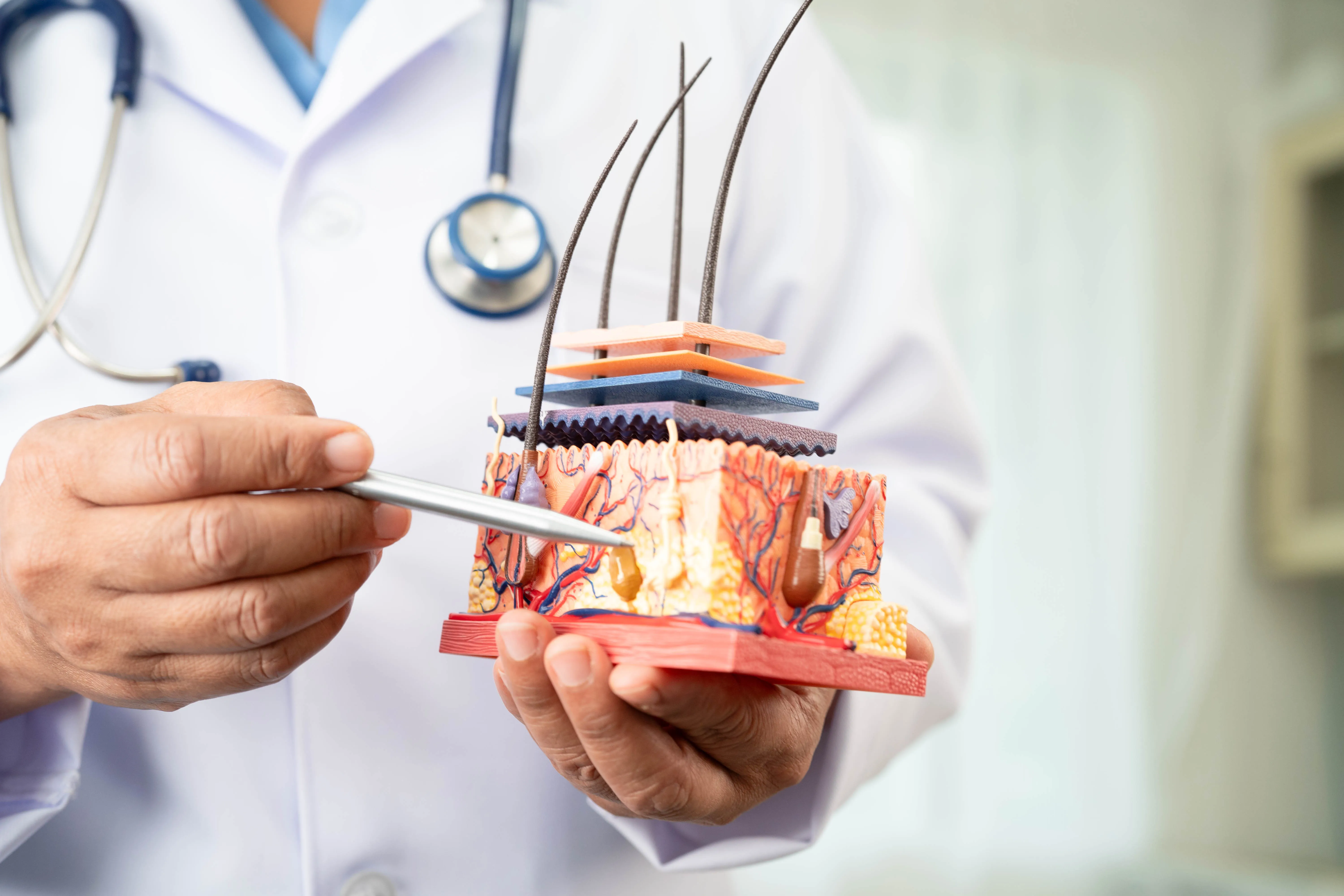
Hair loss can become both a physical and psychological concern for many people. Today, hair transplantation stands out as one of the most effective solutions for addressing this issue.
In this article, we share information about hair transplantation based on insights from hair transplant specialist Adem Demiral. We will provide a detailed overview of the hair transplant process, available methods, and important considerations.
The techniques used during a hair transplant procedure and the planning approach play a significant role in achieving a natural-looking result.
Hair loss can occur for many reasons. These include genetic factors, hormonal changes, stress, nutritional deficiencies, and certain health conditions.
Androgenetic alopecia, especially common among men, is one of the most widespread types of hair loss. In women, hormonal changes and the aging process may contribute to reduced hair density.
Genetics is one of the leading causes of hair loss.
Individuals with a family history of hair loss are more likely to experience this condition. Genetic predisposition can gradually lead to the shrinking of hair follicles and thinning of hair strands over time.
Hormonal changes may particularly affect hair loss in women.
Periods such as pregnancy, the use of birth control methods, or menopause can influence the hair growth cycle and contribute to shedding.
Stress is one of the major causes of hair loss.
Physical or psychological stress may trigger a process known as telogen effluvium, during which hair follicles enter a resting phase. This may lead to an increase in hair shedding.
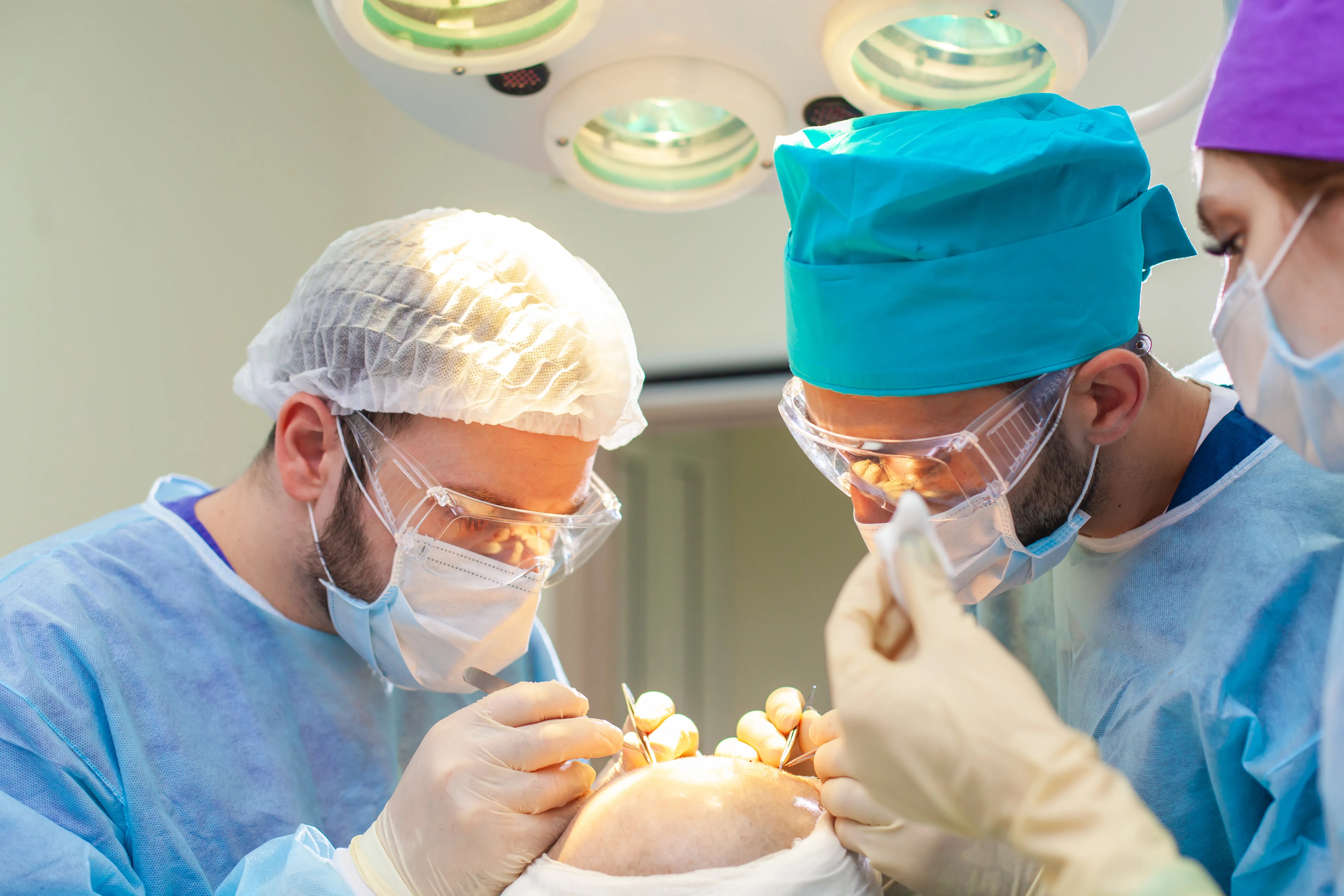
Hair transplantation is a surgical procedure performed to restore hair density in individuals experiencing hair loss.
During this procedure, healthy hair follicles are generally taken from areas at the back of the head that are more resistant to hair loss and transferred to the areas where they are needed.
Hair transplantation is considered a long-term solution planned with a focus on achieving a natural appearance.
Hair transplantation is mainly performed using two methods:
The FUE method is based on extracting and transplanting individual hair follicles.
This approach is generally considered less invasive, and the recovery process may progress more quickly.
In the FUE technique, hair follicles are taken directly from the donor area and implanted into the target areas.
In the FUT method, a strip of scalp is removed and then divided into small grafts for transplantation.
This method may allow for the extraction of a larger number of grafts; however, the recovery process may be longer in some cases.
The hair transplant process generally consists of several key stages:
Consultation, planning, procedure, and post-operative care.
The first stage involves an expert evaluation.
During this process, the causes of hair loss are analyzed and suitability for hair transplantation is assessed. The patient’s expectations are considered to determine the most appropriate approach.
Following consultation, a personalized treatment plan is prepared.
This plan determines:
Hair transplant procedures are generally performed under local anesthesia.
The duration of the procedure may vary depending on the selected method. FUE procedures can often be completed in a shorter time, while other techniques may require longer sessions.
There are several important points to consider after the procedure.
Protecting the treated area during the first days, following care recommendations, and adhering to specialist guidance may support a smoother recovery process.
After hair transplantation, many patients may begin to notice initial hair growth over the following weeks and months.
Final results may take time to become visible. During this period, patience and adherence to the recommended care plan are important.
The technique used plays a major role in achieving a natural appearance.
Proper hairline design, correct graft placement angles, and density planning may contribute to more natural-looking outcomes.
The recovery process may vary from person to person.
Most individuals can return to daily life within a relatively short period; however, the final appearance of the hair develops gradually over time. Proper care and regular follow-up are important parts of this process.
Hair transplantation offers an effective solution for individuals experiencing hair loss. Specialists such as Adem Demiral guide their patients throughout the process and help them achieve the best possible results.
If you are experiencing hair loss, consulting a qualified specialist may help you evaluate whether hair transplantation is an appropriate option. Remember, choosing the right method and an experienced specialist plays an important role in achieving a healthy and natural-looking result.
How does the hair transplant process in Turkey work? Discover a detailed guide about hair transplant in Istanbul, recovery, clinic selection, and the premium patient experience.
Learn More
How does the recovery process after a hair transplant progress? Discover the first wash, shock loss, hair growth timeline, and the 12-month transformation in detail.
Learn More
Discover the differences between DHI and Sapphire FUE hair transplantation. A detailed comparison in terms of density, natural appearance, recovery process, and unshaven hair transplantation.
Learn More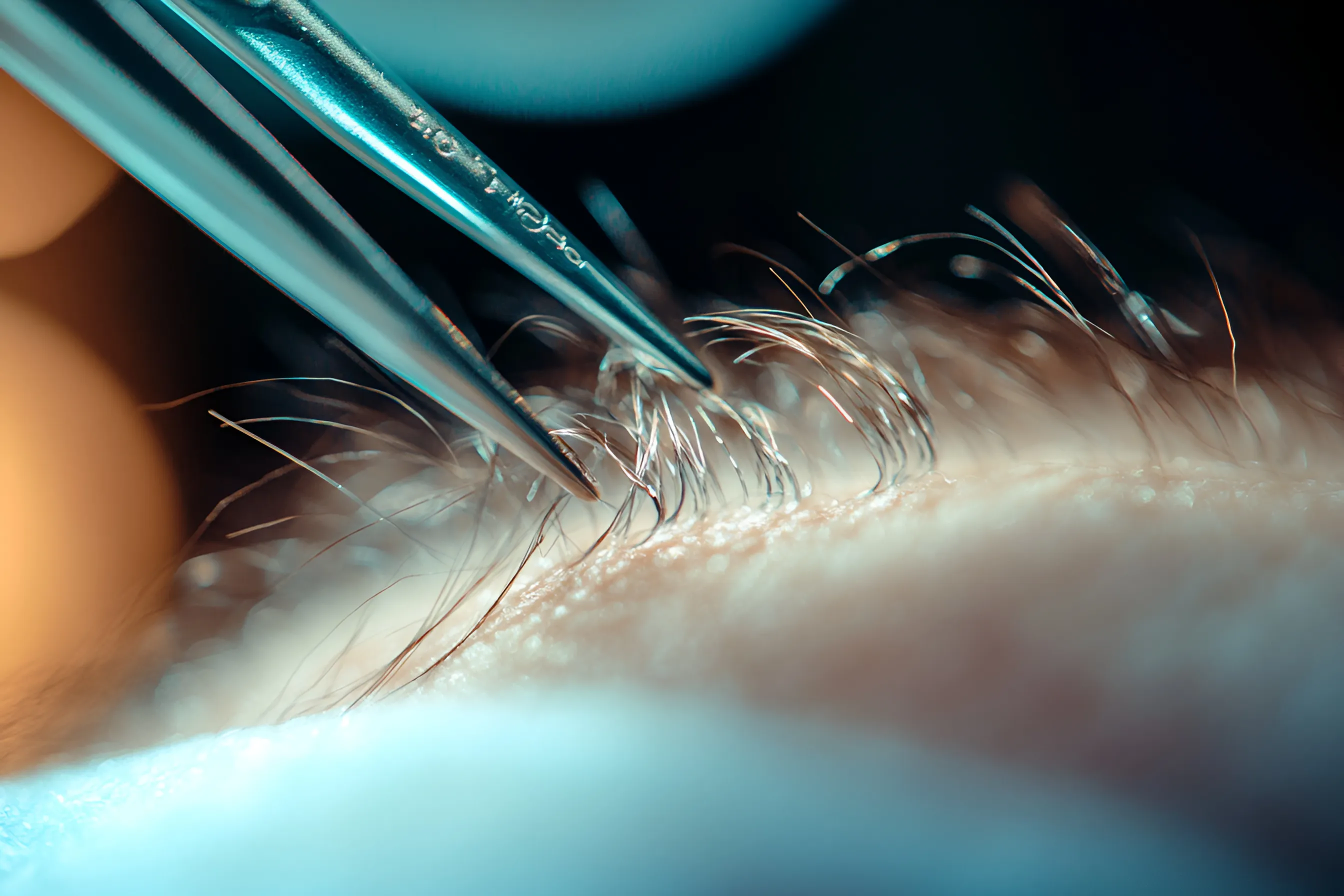
Hair loss can be a challenging experience for many people, both physically and psychologically. Today, while various hair restoration methods are available, the FUE (Follicular Unit Extraction) technique stands out as one of the most widely preferred approaches.
Learn More
Hair loss can become both a physical and psychological challenge for many people. Today, hair transplantation stands out as one of the most effective solutions to this problem.
Learn MoreFill out the form for hair analysis, appointments, and consultation requests, or contact us directly.